
Why Biochar?
Biochar is one of the most effective natural climate tools we have, and it’s been hiding in the soil playbook for hundreds of millions of years. The idea is simple but powerful: take excess biomass and turn it into something regenerative instead of letting it burn up or break down.
At its core, biochar is carbon-rich charcoal made by heating woody debris or agricultural waste with very little oxygen. That process locks carbon into a stable form that stays in the soil for centuries, improving soil health while keeping carbon where it belongs.
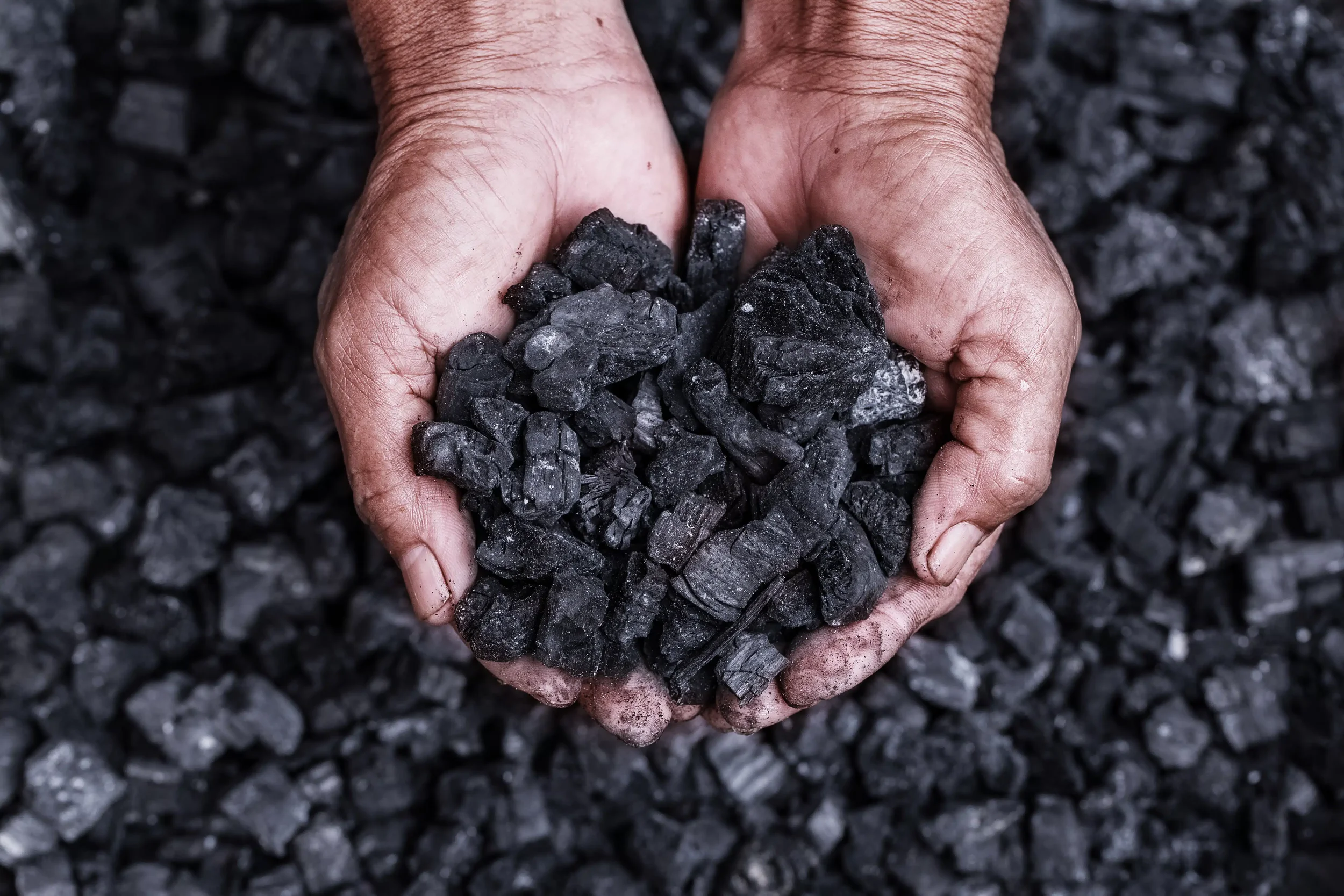
Same biomass. Better outcome.
Every year, forests and landscapes pile up excess biomass: dead trees, brush, and material from wildfire mitigation and land stewardship work.
The usual options?
Burn it. Leave it. Haul it away.
All three send carbon back into the air and waste a valuable resource.
Biochar takes a smarter route, transforming that material into a soil-building, carbon-storing product that keeps carbon in the ground and land healthier for the long haul.
Biochar, demystified:
-
Biochar is charcoal made from organic material using a low-oxygen process called pyrolysis.
That process matters. Instead of releasing carbon into the air, it stabilizes it. The carbon stays solid. For a long time. We’re talking centuries.
The end product isn’t ash.
It isn’t waste.
It’s a powerful soil and climate material. -
Biochar makes soil work better. Full stop.
Its structure is highly porous, which means it:
holds water in dry conditions
keeps nutrients from washing away
creates habitat for beneficial microbes
improves soil structure over time
Think of it as long-term infrastructure for soil. Not fertilizer. Not a quick fix. Something that helps soil stay resilient year after year.
Farmers, gardeners, and land managers use biochar to:
improve yields
reduce irrigation needs
build healthier soil biology
support plants under stress
-
Most climate solutions focus on emissions reduction. Biochar goes a step further: carbon removal.
When biomass burns or decomposes, its carbon goes straight back into the atmosphere. When it’s turned into biochar, a large portion of that carbon becomes chemically stable and stays in the ground for hundreds to thousands of years.
That means:
less smoke
fewer greenhouse gas emissions
long-term carbon storage
Done right, biochar can be net carbon negative — pulling more carbon out of the atmosphere than the process emits.
-
Nope.
Charcoal is made to burn.
Biochar is made not to.Biochar is engineered for stability, porosity, and interaction with soil and water systems. Its job isn’t energy — it’s longevity.
Think of it as carbon with a purpose.
-
Because hauling biomass long distances defeats the point.
We focus on local, small-scale, near-site processing because it:
reduces transportation emissions
keeps projects transparent and accountable
supports local land stewards and farmers
makes climate solutions visible, not abstract
Biochar works best when it’s tied to the land it comes from — forests, farms, neighborhoods, and communities.
-
It’s legit — and increasingly recognized as one of the most effective uses of excess woody biomass.
Across the Front Range and Boulder County, regional biomass planning efforts have identified biochar as a high-impact pathway because it:
outperforms burning and stockpiling from a climate standpoint
supports wildfire mitigation goals
delivers durable carbon storage
creates real soil benefits
In other words: biochar isn’t a fringe idea.
It’s where smart land and climate strategy are headed.
Get In Touch
If you're interested in working with us, complete the form with a few details about your project. We'll review your message and get back to you within 48 hours.